By: Melona Q. Guitche, PhD, LPT
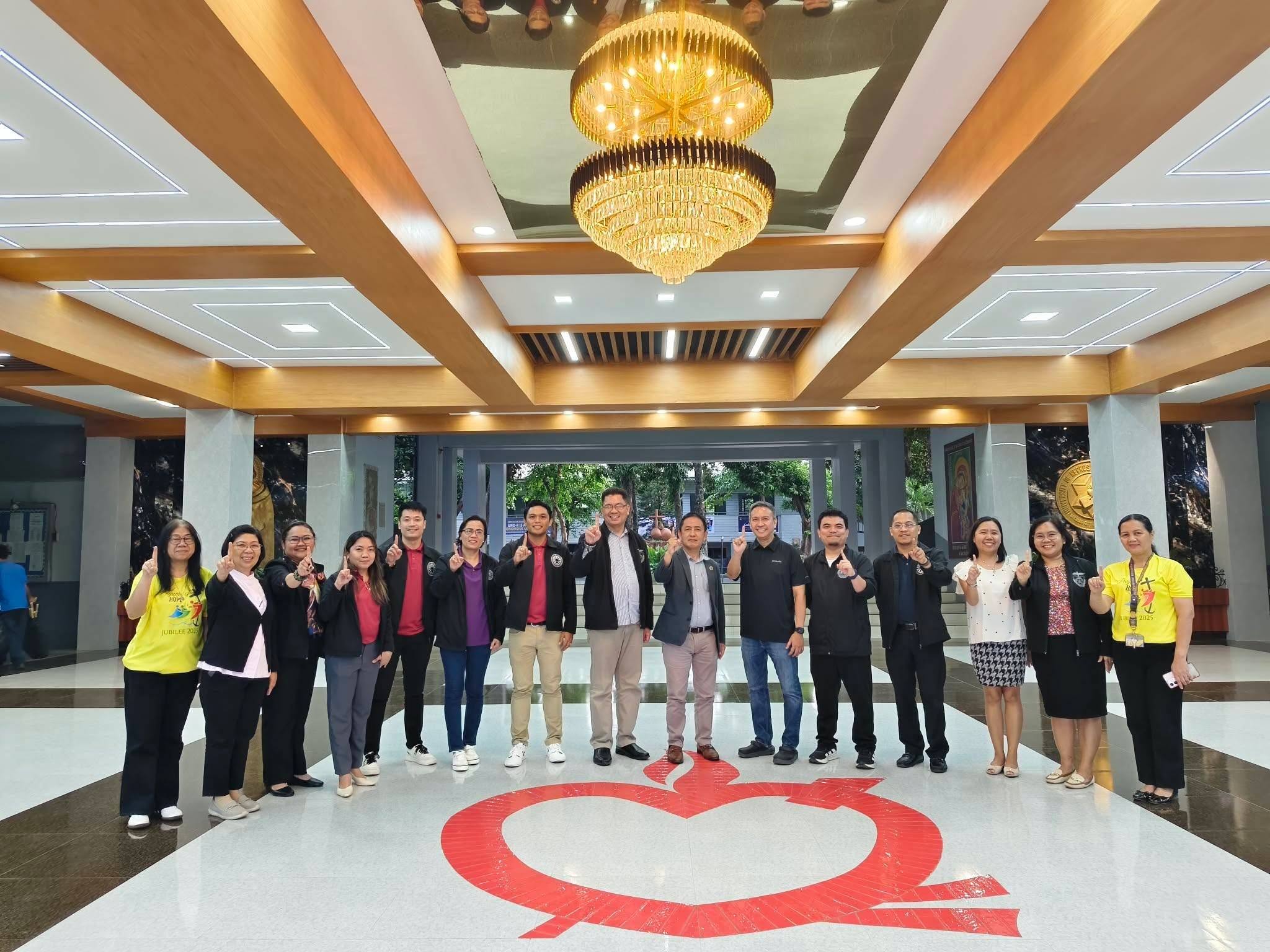
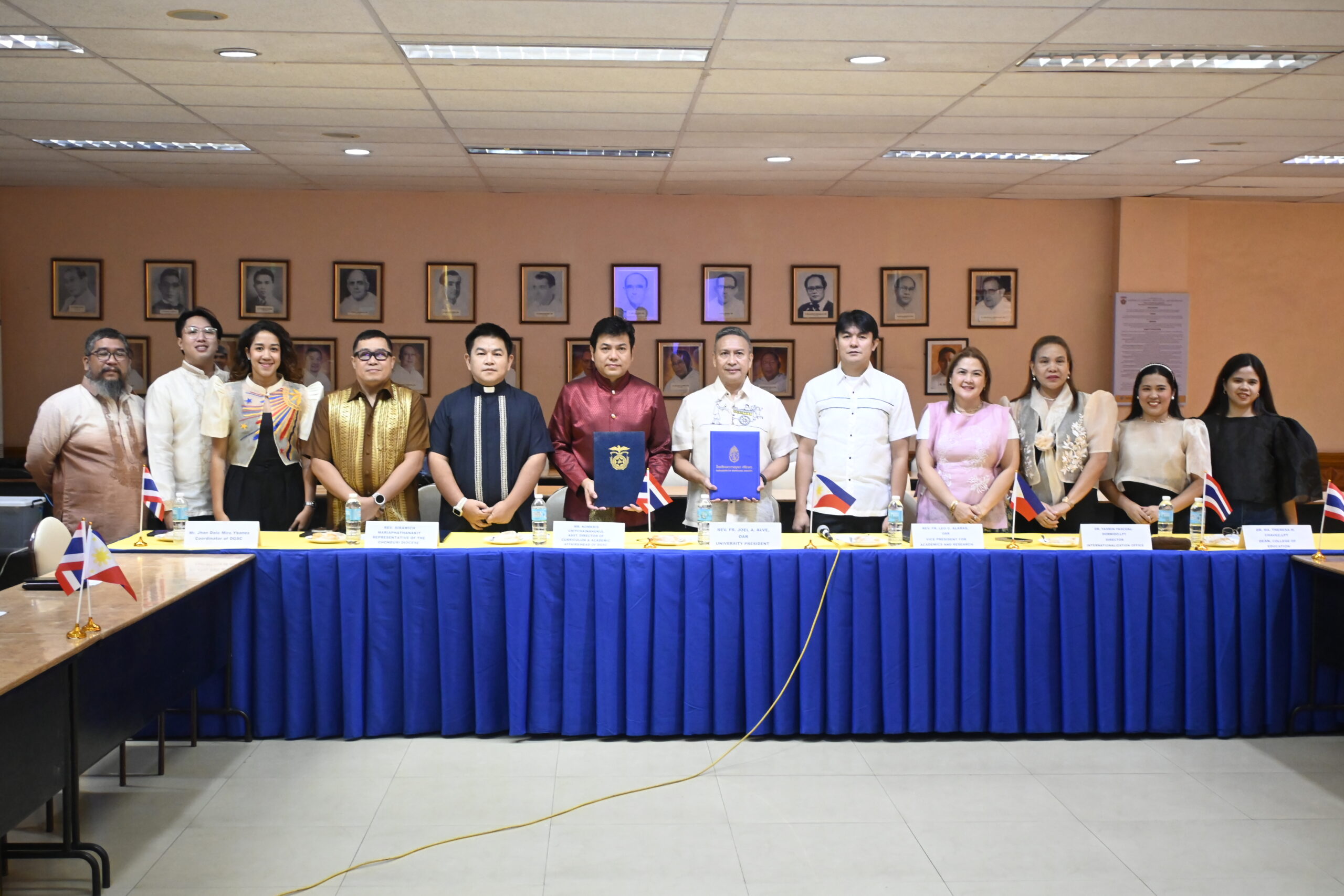
The Recoletos de Bacolod Graduate School (RBGS) of the University of Negros Occidental–Recoletos, Incorporated (UNO-R) reaffirmed its commitment to quality graduate education as it welcomed the Commission on Higher Education (CHED) Regional Office XVIII–Negros Island Region for a two-day Monitoring and Evaluation Activity on August 19–20, 2026.
More than a monitoring exercise, the activity provided an avenue for collaboration, dialogue, reflection, and growth, allowing the Graduate School to affirm its strengths, gain valuable insights, and identify opportunities to further enhance the quality and relevance of its graduate programs.
Adding significance to the engagement was the presence of CHED Regional Office XVIII Regional Director Raul C. Alvarez, Jr., REE, Ed.D., CESO III, whose leadership and guidance underscored CHED’s role in working alongside higher education institutions in strengthening academic programs and sustaining adherence to national policies, standards, and guidelines.
Joining the Regional Director were Dr. Benrie James Nufable, Supervising Education Program Specialist; Dr. Loiue Callora, Education Supervisor II; Dr. Jose Leonardo Degillo, Education Supervisor II; Dr. Johnrey Olpoc, Education Supervisor II; Dr. Noraisa Wee, Education Supervisor II; and Dr. James Basas, Education Supervisor II. Their professional engagement provided valuable perspectives as RBGS presented its graduate programs and reflected on their implementation and continuing development.
The discussions, presentations, and validation activities created a space for constructive exchange, enabling CHED and RBGS to recognize existing strengths while considering areas for further enhancement. The engagement likewise highlighted the importance of shared responsibility in sustaining quality graduate education.
For RBGS, continuous quality improvement is a collective endeavor. It is strengthened by the commitment of administrators, program heads, faculty members, staff, students, alumni, and stakeholders who work together to ensure that graduate education remains responsive to the evolving needs of learners, professions, and society.
The monitoring also provided an opportunity to examine the collective quality and direction of RBGS’s graduate programs. Each program contributes to the broader mission of developing professionals and leaders equipped with advanced knowledge, research capabilities, critical and creative thinking, ethical leadership, and a strong commitment to service.
More importantly, the activity reinforced the value of openness to feedback and continuous learning. The insights shared during the engagement offer opportunities for RBGS to build on its accomplishments, address areas for improvement, and pursue initiatives that will further enrich the graduate learning experience.
Anchored in the Augustinian Recollect tradition and inspired by Caritas et Scientia, RBGS views quality not as a destination but as a continuing journey. Its pursuit of excellence is strengthened by a willingness to collaborate, engage in meaningful dialogue, learn from experience, and translate insights into purposeful action.
As the two-day Monitoring and Evaluation Activity concludes, the Graduate School carries forward not only the affirmation of its efforts but also a renewed sense of direction for continued improvement.